Hydro Jetting
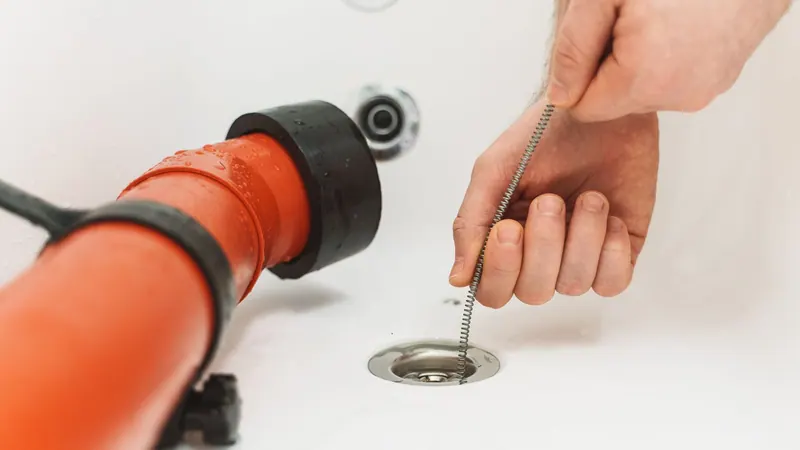
High pressure hydro jetting scours grease, scale, sludge and fine roots from New Jersey drain and sewer lines, cleaning the full pipe wall instead of punching a hole.
Hydro Jetting details

Standing water in one bowl, the other bowl filling back up, or a dishwasher that drains into the sink? Fullerton clears kitchen sink clogs across New Jersey with the right cable for the job and a clean counter when we finish.
Quick answer: Repeat kitchen clogs usually mean grease is coating the branch line inside the wall. Plunging or a quick snake opens a small hole, but the coating stays and catches new grease fast. Older New Jersey homes with metal drain pipes are especially prone to this. A full width scraping cable or hydro jetting removes the coating so clogs stop returning.
A kitchen sink clogged with grease is one of the most common calls we get. Cooking oil, butter and meat fat run down the drain warm and liquid, then cool and stick to the pipe walls. Coffee grounds, rice, pasta and eggshells catch in that sticky layer, and the opening shrinks a little more each week. Eventually water stands in the sink and will not go down. Plunging may push the clog a few feet farther but rarely clears it. Fullerton drain techs open the line under the sink, run a cable sized for kitchen drains, and scrape the buildup off the pipe wall so the drain flows at full width again.
Double sinks add their own puzzle. When one bowl drains into the other, the clog is usually past the point where the two bowls join, in the trap arm or the branch line inside the wall. Dishwashers and garbage disposals share that same line, so a blocked kitchen branch can cause a dishwasher to leave dirty water in the bottom or push water up into the sink. We trace the clog to where it actually sits, clear it, and run the sink, disposal and dishwasher to confirm everything drains together. If grease buildup is heavy along a long run, we may suggest hydro jetting to strip the pipe clean.
Our drain tech looks at the sink, disposal, dishwasher connection and trap. We run each one to see where water stops. You get an upfront quote before work starts, and we lay down protection under the sink and on the floor.
We remove the trap or use the cleanout if one is present, so the cable goes straight into the branch line instead of fighting through the trap. That gives better reach into the wall where kitchen grease usually collects.
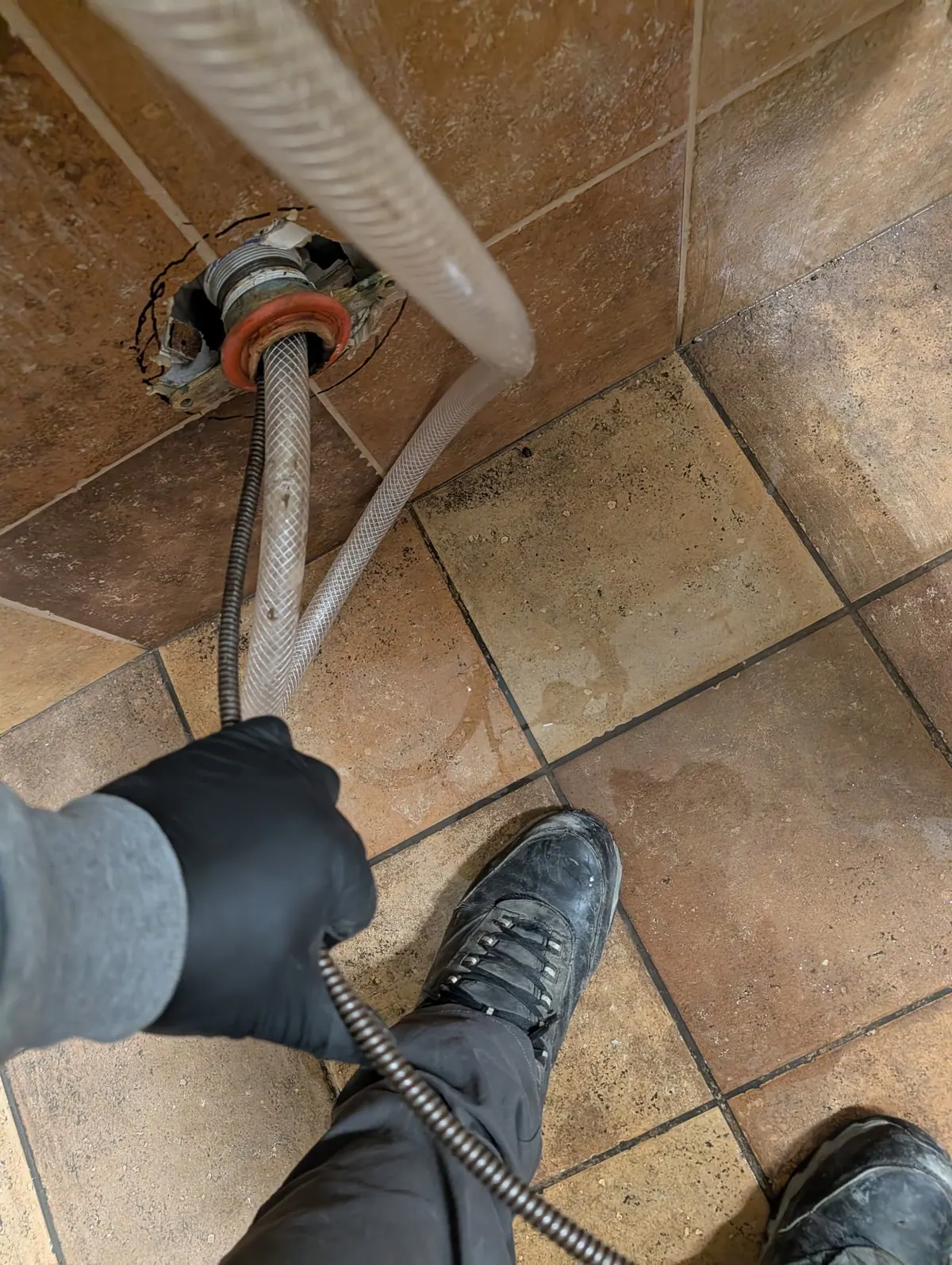
We run a kitchen sized cable with a cutting or scraping head through the line. It breaks the grease plug apart and scrapes the pipe walls. For long or heavily coated runs, we may recommend hydro jetting to finish the job.
We reassemble the trap and run hot water in both bowls, run the disposal and start a short dishwasher drain cycle. Once everything flows together, we wipe down the cabinet and floor and leave the kitchen clean.
Many New Jersey homes built before the 1960s have galvanized steel or cast iron kitchen drain lines running inside the wall. Those pipes roughen on the inside over time, and the rough surface catches grease far faster than smooth plastic does. Kitchens in older colonials and Cape Cods also often sit far from the main stack, so the kitchen branch has a long horizontal run with little slope. Grease has plenty of room to cool and settle. When we clear these lines, we use heads that scrape the full wall rather than punching a narrow path, because a narrow path closes again quickly in older metal pipe.
Kitchen waste does not just affect your home. Fats, oils and grease that leave the house can stick inside municipal sewers and cause backups that utility authorities across the state, including the Middlesex County Utilities Authority and the Bergen County Utilities Authority, work to prevent. The best habit is simple: wipe greasy pans with a paper towel before washing, scrape plates into the trash, and keep the disposal for small scraps only. Your drain lasts longer, and the shared system works better for the whole neighborhood. A little care at the sink saves you from a call later.
The price depends on where the clog sits and how much grease has built up. A blockage in the trap is quicker than one deep in the branch line behind the wall. Double sinks, disposals and dishwasher connections can add steps when we take things apart and test them. Older metal pipe with heavy buildup may need extra passes or hydro jetting. Cabinet access also plays a part. Before any work starts, you get an upfront quote so you know the price ahead of time.
Call (518) 776-7838 for an upfront quote. We answer 24/7 and explain the price before any work starts.
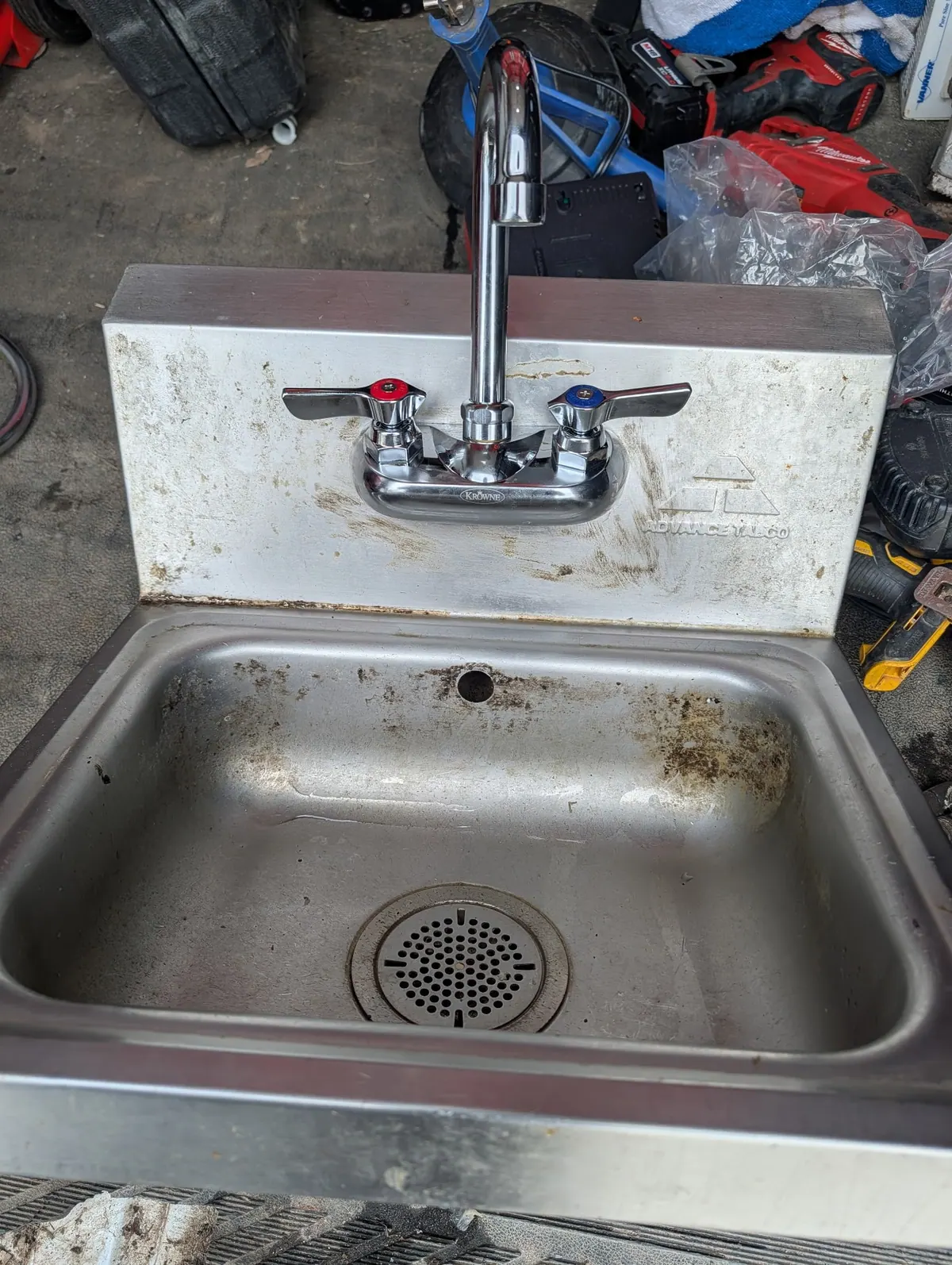
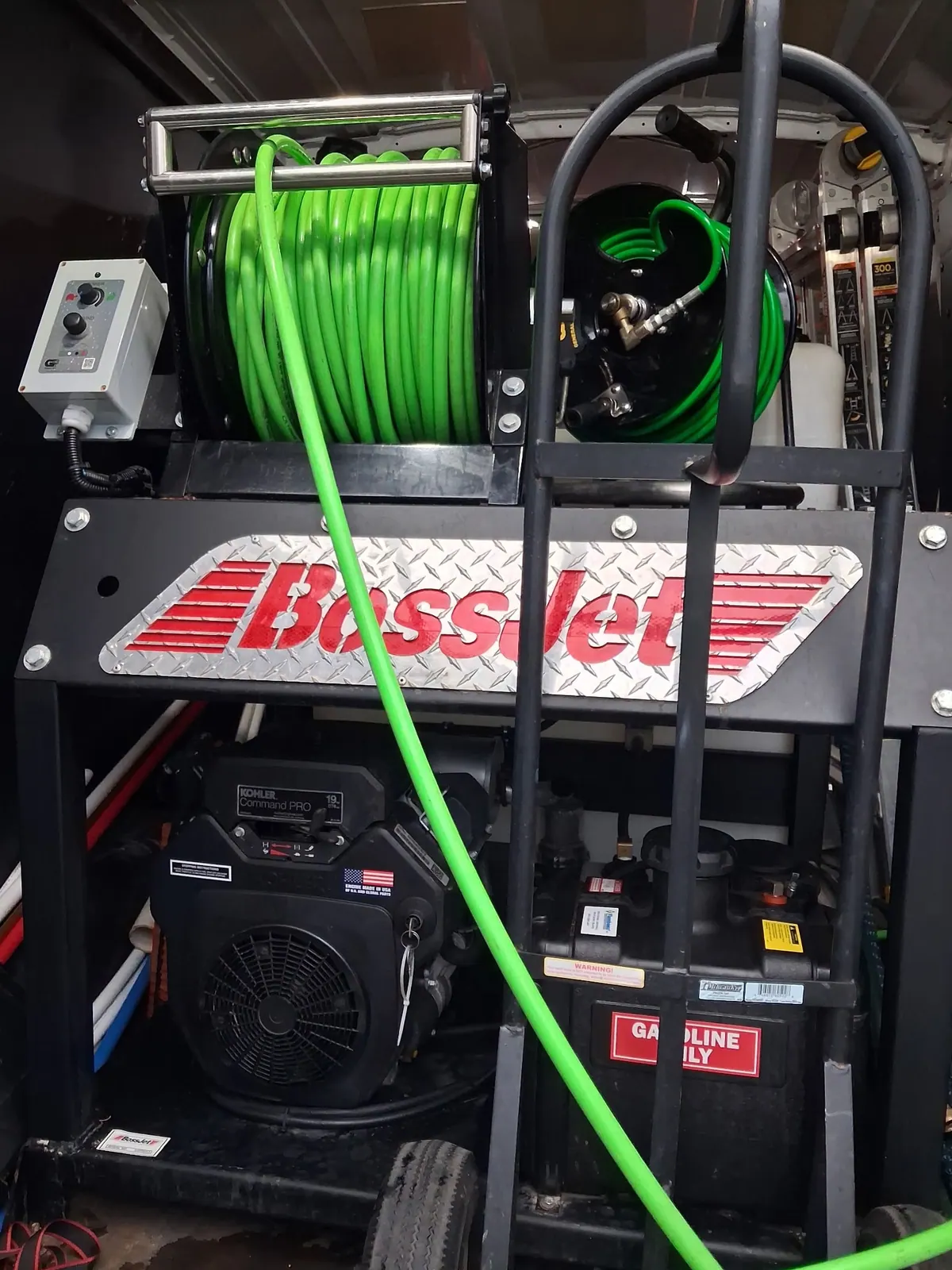
Our own drain machines, our own jetter, real clogs. No stock photos in this section.

We provide clogged kitchen sink in all 21 New Jersey counties. These cities have their own pages.
Repeat kitchen clogs usually mean grease is coating the branch line inside the wall. Plunging or a quick snake opens a small hole, but the coating stays and catches new grease fast. Older New Jersey homes with metal drain pipes are especially prone to this. A full width scraping cable or hydro jetting removes the coating so clogs stop returning.
Yes. Disposals grind food into small bits, but those bits still travel down the drain. Starchy foods like potato peels, pasta and rice swell and form a paste. Fibrous scraps like celery and onion skins wrap together. Run plenty of cold water with the disposal, and put large amounts of scraps in the trash instead.
The clog is below the point where the two bowls join. Water from one side cannot get past the blockage, so it takes the easiest path and rises into the other bowl. The fix is clearing the trap arm or the branch line behind the wall, not just one side of the sink.
It may soften a fresh grease clog near the drain, but it rarely clears a buildup deeper in the line. The grease often cools and sets again a few feet farther down. Boiling water can also stress plastic drain parts. If the sink stays slow, mechanical cleaning removes the grease from the pipe walls.
Often, yes. Most dishwashers drain into the kitchen sink line or the disposal. When that line is blocked, dirty water stays in the bottom of the dishwasher or pushes up into the sink. Clearing the kitchen branch usually fixes both. We test a short dishwasher drain cycle after clearing the sink to make sure.
High pressure hydro jetting scours grease, scale, sludge and fine roots from New Jersey drain and sewer lines, cleaning the full pipe wall instead of punching a hole.
Hydro Jetting detailsProfessional drain cleaning for every sink, tub, toilet and floor drain in New Jersey homes, with an upfront quote and a full cleanup when we finish.
Drain Cleaning detailsScheduled drain cleaning plans for New Jersey homes and rental properties, including routine root cutting, so clogs are handled before they turn into backups.
Preventive Drain Maintenance detailsSomething beyond the drain? Call us and we will point you in the right direction.
We answer 24 hours a day, 7 days a week. Call and talk to a real person, or request service online and we will call you back.
Tell us what is backing up. Our team usually calls back within two hours. Drain overflowing right now? Call us, we answer 24/7.
Or call (518) 776-7838, 24 hours a day