Restaurant Drain Service
Restaurant drain service for New Jersey kitchens, covering sinks, floor and trench drains and scheduled jetting, done during closed hours so service never stops.
Restaurant Drain Service details
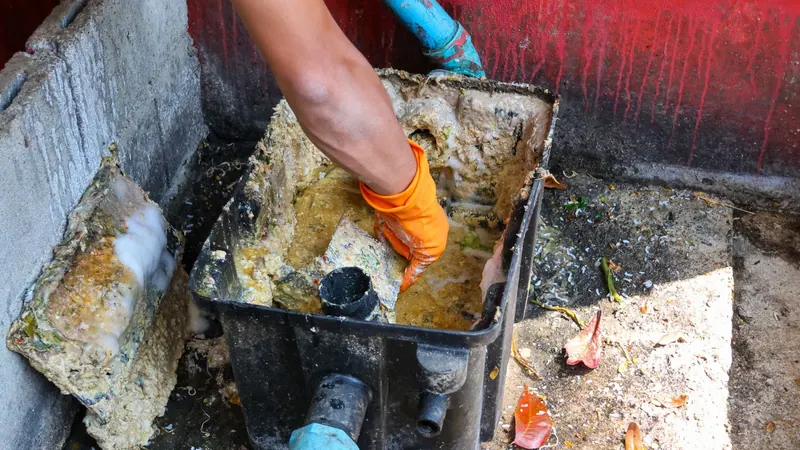
Fullerton cleans and pumps grease traps, grease arrestors and interceptors for New Jersey restaurants, cafeterias and commercial kitchens, then clears the lines around them so grease stops where it should and your kitchen keeps cooking.
Quick answer: It depends on your trap size, your menu and your volume, and your local sewer authority may set a minimum. A common rule of thumb is to clean before grease and solids fill about a quarter of the trap. We look at what we pump out each visit and help you set an interval that keeps you within local rules.
Every commercial kitchen sends fats, oils and grease down the drain. A grease trap or interceptor is the device that catches it before it reaches the sewer. When that device fills up, grease passes straight through, coats your lines and heads toward the public system. That is when kitchens see slow sinks, odors and backups during the dinner rush. Fullerton pumps and cleans the trap or interceptor, scrapes down baffles and walls, checks the inlet and outlet, and clears the connected lines if grease has already moved past the trap.
Many New Jersey municipalities and sewer authorities have rules for food service establishments about fats, oils and grease, often called FOG rules. Requirements vary by town and authority, and they can cover cleaning frequency, record keeping and inspections. We do not set those rules, but we help you follow them. After each visit you get a written service record showing the date, what was cleaned and the condition we found. Keep it on file so you have it ready if an inspector asks. Call us any hour or request service online.
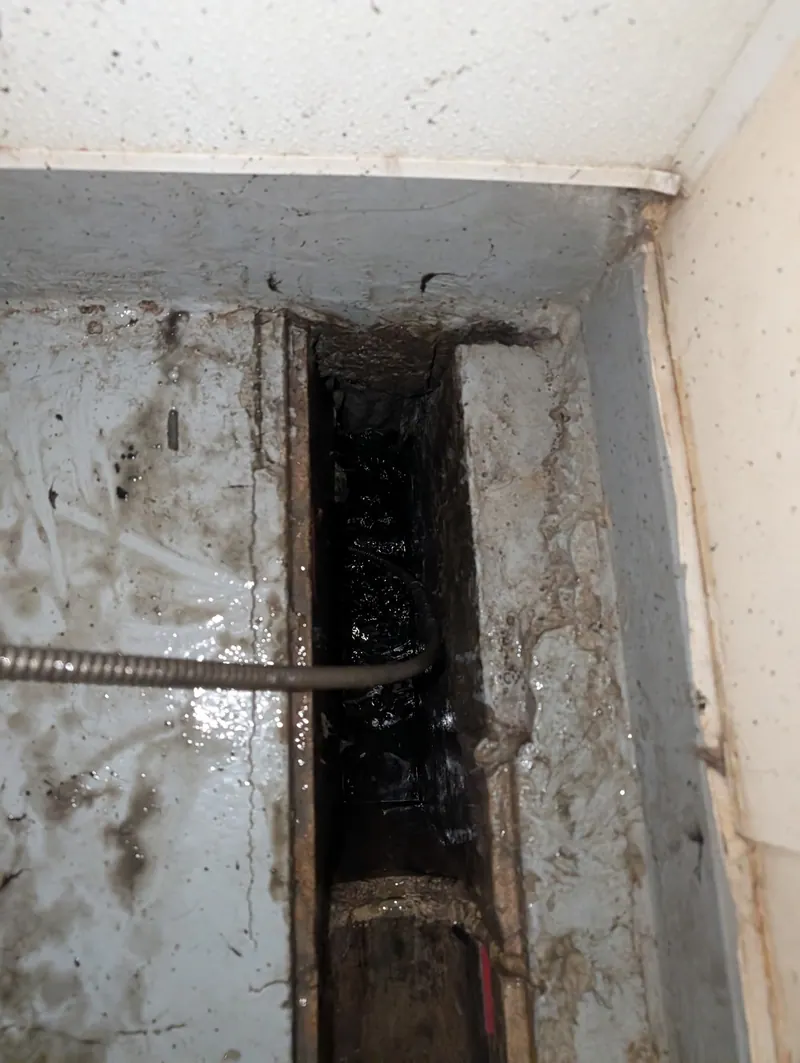
We find the trap or interceptor, whether it sits under a sink, in the floor or outside below grade. Our technician opens it carefully, checks the lid and gasket and looks at the grease layer and solids before any pumping begins.
We remove the grease cap, water and settled solids, then scrape the walls and baffles so the full capacity is restored. Leaving a hard grease crust behind cuts the working volume, so we clean the inside, not just the surface.
If grease got past the trap, we clear the inlet and outlet lines and jet the kitchen drains when needed. A clean trap feeding a greasy line still backs up, so we treat the trap and its piping as one system.
We close up, test flow and leave a written service record with the date, the work done and the condition we found. That record supports your own FOG compliance file and helps you set the right cleaning interval.
Grease is one of the biggest causes of sewer blockages in New Jersey, and the agencies that treat wastewater take it seriously. Authorities such as the Passaic Valley Sewerage Commission, the Middlesex County Utilities Authority, the Bergen County Utilities Authority and the Camden County MUA all deal with what kitchens send downstream. Each town and authority sets its own expectations for food service, so the right cleaning interval and paperwork can differ from one location to the next. Ask before you assume the rules from another location apply to this one.
Our advice is simple. Check with your local sewer authority or municipal office about the rules that apply to your kitchen, then set a cleaning schedule that meets them and fits your volume. A busy diner off Route 9, a pizzeria near a Shore boardwalk with a summer rush, and a school cafeteria in Morris County will all need different intervals. We help you find yours. Keep each service record in one place, along with any notes from your authority, so your file is complete when someone asks to see it.
Grease trap service is priced on the device and its condition. The size of the trap or interceptor, whether it sits under a sink or outside below grade, and how long it has been since the last cleaning all matter. A trap packed with hardened grease takes more time than one on a regular schedule. Clearing or jetting the connected kitchen lines adds to the scope, as does work during off hours. A steady schedule usually costs less over a year than emergency calls. You always get an upfront quote before work starts.
Call (518) 776-7838 for an upfront quote. We answer 24/7 and explain the price before any work starts.
Our own drain machines, our own jetter, real clogs. No stock photos in this section.
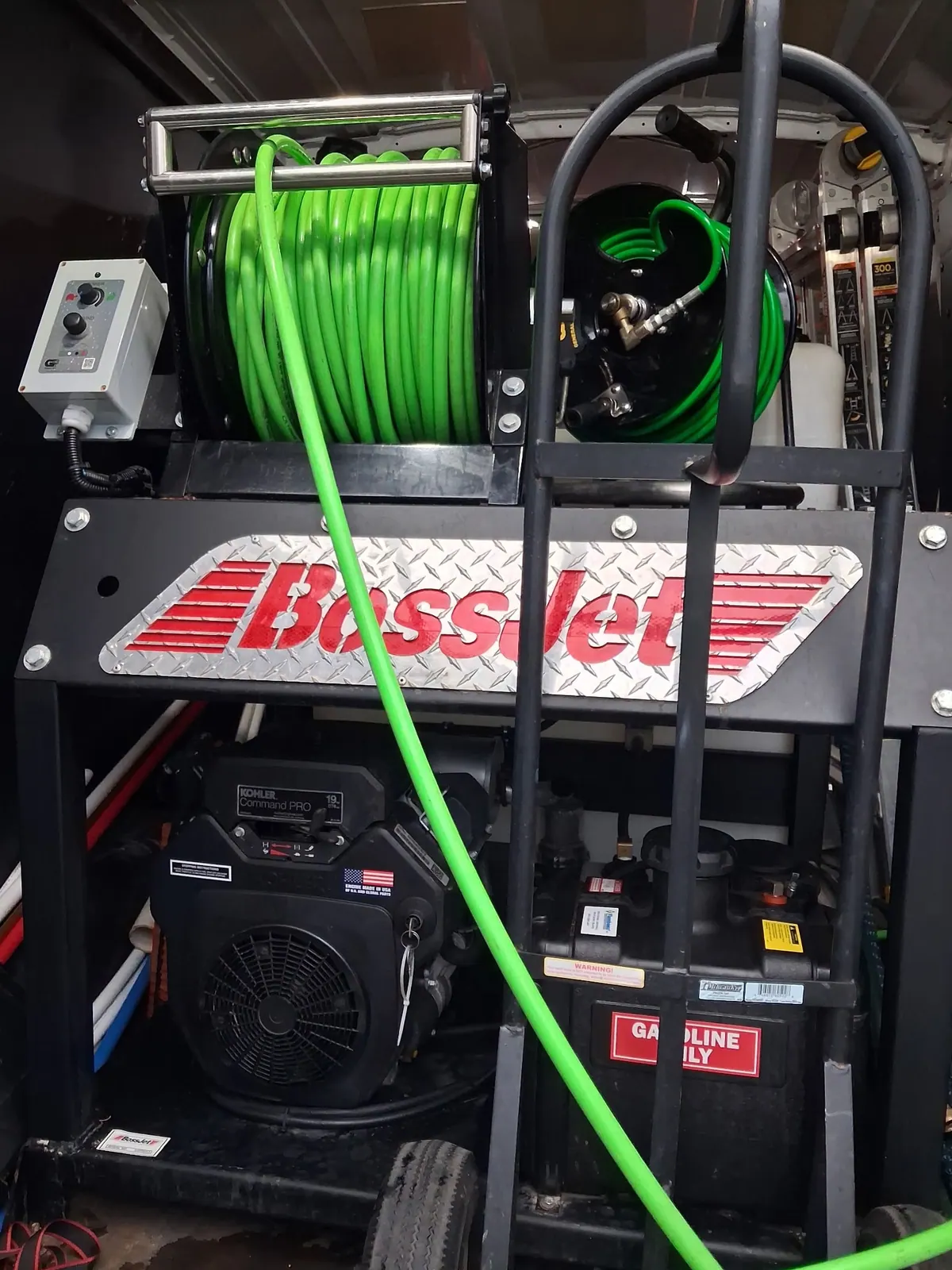


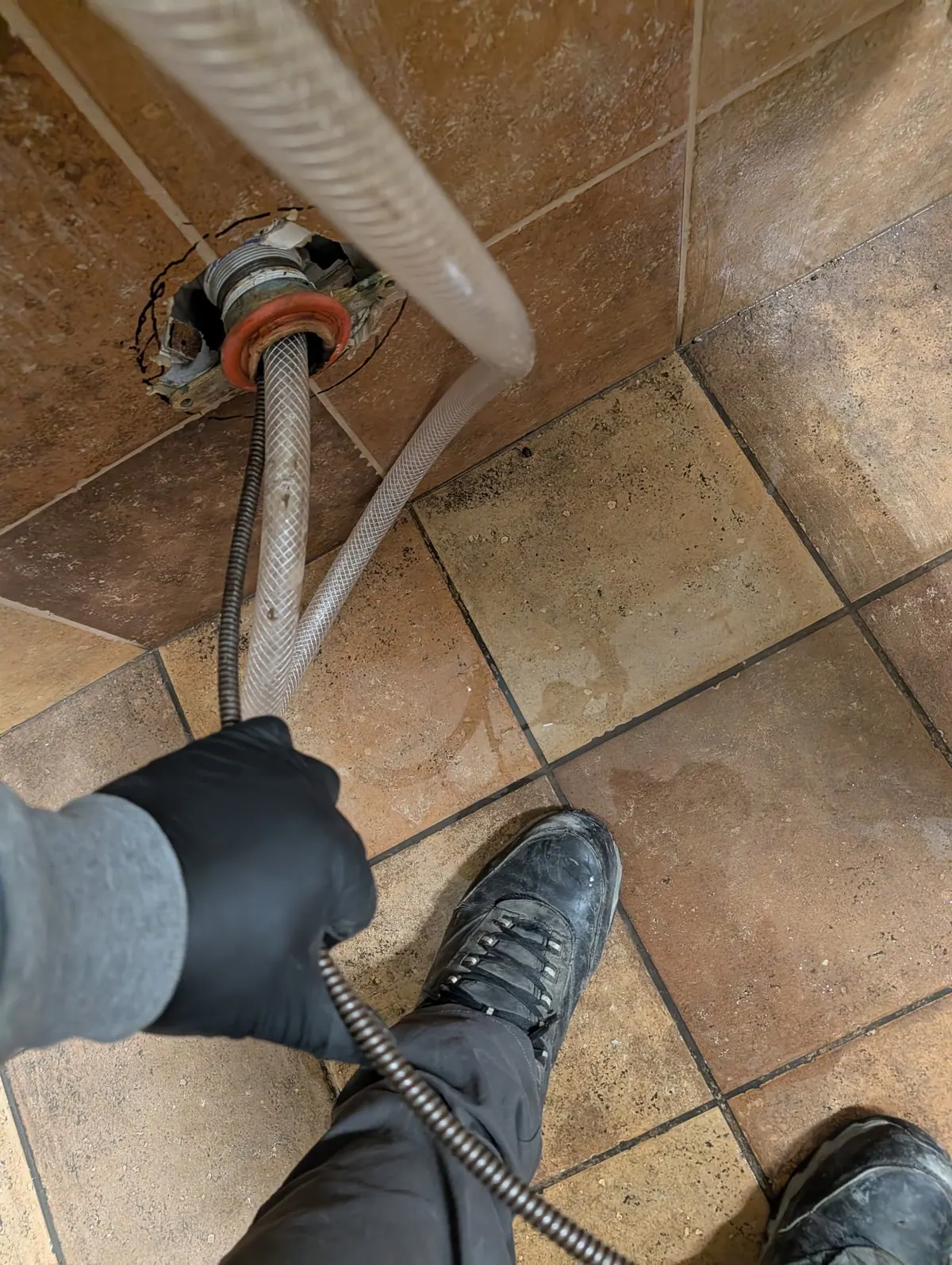
We provide grease trap cleaning in all 21 New Jersey counties. These cities have their own pages.
It depends on your trap size, your menu and your volume, and your local sewer authority may set a minimum. A common rule of thumb is to clean before grease and solids fill about a quarter of the trap. We look at what we pump out each visit and help you set an interval that keeps you within local rules.
Both separate grease from wastewater. A grease trap is usually a smaller unit inside the kitchen, often under a sink. A grease interceptor, sometimes called a grease arrestor, is a larger tank, often installed in the floor or outside below grade. Interceptors hold more and are typically pumped on a set schedule. We service both types.
Yes. After every grease trap cleaning we leave a written service record with the date, the device serviced, the work performed and the condition we found. Many New Jersey towns and sewer authorities expect food service businesses to keep records like these. Check with your local authority for its exact requirements and keep our records in your file.
Yes. Fullerton is open 24 hours a day, 7 days a week, so we can pump and clean your trap after close, overnight or before prep starts. That keeps odors and equipment out of service hours. Tell us when your kitchen goes quiet and where the trap is, and our crew will plan around it.
Grease may have already coated the lines between your sinks and the trap, or past the trap toward the sewer. Cleaning the trap does not remove that buildup. We clear and, when needed, jet the connected kitchen lines so the whole system flows. A camera can confirm where the buildup sits if clogs keep returning.
Restaurant drain service for New Jersey kitchens, covering sinks, floor and trench drains and scheduled jetting, done during closed hours so service never stops.
Restaurant Drain Service detailsHigh pressure hydro jetting scours grease, scale, sludge and fine roots from New Jersey drain and sewer lines, cleaning the full pipe wall instead of punching a hole.
Hydro Jetting detailsDrain cleaning and commercial jetting for New Jersey offices, warehouses, schools and churches, scheduled after hours so your building keeps running without interruption.
Commercial Drain Cleaning detailsSomething beyond the drain? Call us and we will point you in the right direction.
We answer 24 hours a day, 7 days a week. Call and talk to a real person, or request service online and we will call you back.
Tell us what is backing up. Our team usually calls back within two hours. Drain overflowing right now? Call us, we answer 24/7.
Or call (518) 776-7838, 24 hours a day